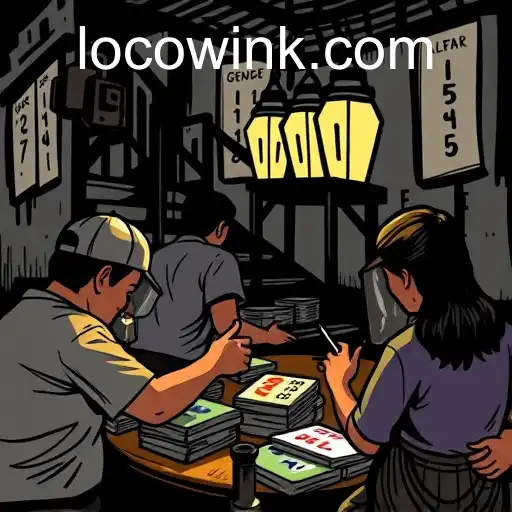
Jueteng: The Underground Lottery Game and Its Impact
Introduction to Jueteng
Jueteng is a popular numbers game in the Philippines, often viewed as an illicit variant of the lottery. Its enduring presence within Filipino culture speaks volumes about the economic and social aspects underpinning its existence. Despite numerous efforts by the authorities to clamp down on it, jueteng continues to thrive due to various reasons, which will be explored in this article.
The Mechanics of Jueteng
The mechanics of jueteng are relatively simple, enhancing its appeal across various socio-economic strata. Players choose combinations of numbers, typically ranging from 1 to 37, and bet on them. The numbers are then drawn randomly, and winners receive payouts significantly higher than their initial bets, without any lottery tax. Its simplicity and substantial potential returns are major factors contributing to its widespread popularity.
Origins and Cultural Significance
Jueteng has a long history rooted deep within Philippine cultural fabrics. Its origins trace back to the Spanish colonization era, blending into the local traditions and becoming more than just a game of chance. Jueteng mirrors the socio-economic conditions of its time, reflecting the struggles and hopes of the lower-income population who resort to this form of gambling in the hope of altering their financial circumstances.
Economic Drivers
The economic landscape of the Philippines is such that a notable portion of the population resides below the poverty line. For many, jueteng appears to be an accessible avenue for potential financial gain. The affordability of the bets, paired with the enticing possibility of relatively substantial winnings, makes jueteng an attractive option for those seeking financial respite amidst economic hardships. Jueteng often functions as an informal economic system, providing income streams as well as employment for numerous individuals, from bet collectors to the organizers.
The Role of Small Town Politics
The persistence of jueteng within various communities is inexorably linked with local political dynamics. In many cases, small town politicians turn a blind eye or even facilitate these operations in exchange for kickbacks or support during elections. The underground nature of jueteng offers certain political leverage at the grassroots level, deeply embedding it within the socio-political framework of many rural areas.
Attempts at Regulation and Suppression
Government efforts to curb jueteng activities have been ongoing for decades, often with limited success. Although operations are frequently disrupted, they quickly reemerge, often with the same operators in place. Legal alternatives, like the Philippine Charity Sweepstakes Office's small town lottery (STL), are implemented, aiming to channel gambling money for public welfare projects. However, the imposition of STL has not diminished jueteng's allure due to higher payout possibilities and persistent cultural ties.
39Wbet and Jueteng's Digital Shift
The rise of digital platforms has introduced new paradigms for gambling in the Philippines, with platforms like 39Wbet emerging to offer their own versions of betting and lottery games. The convenience and anonymity provided by online avenues are gradually drawing some of jueteng's clientele towards the digital realm, where gambling is easier to access and harder to control.
Social Perception and Ethical Considerations
Despite its notoriety, jueteng occupies a complicated space within Filipino society where it is simultaneously embraced and criticized. From an ethical standpoint, critics argue that it perpetuates a vicious cycle of poverty and dependency. There's a growing consensus that while jueteng may temporary relieve financial stress, it often leads to more profound societal issues long-term. Efforts to address these cases center on not just legal ramifications but also addressing systemic poverty and enticing more sustainable opportunities.
The Future of Jueteng
Moving forward, the future of jueteng rests significantly on addressing underlying socio-economic inequities. Only with significant governmental intervention in the form of job creation, educational opportunities, and effective poverty alleviation programs, will there be a meaningful reduction in reliance on jueteng as a form of livelihood. Additionally, the intersection of traditional gambling like jueteng with digital betting platforms such as 39Wbet will further shape its trajectory within Filipino society.
In conclusion, jueteng's prominence is a reflection of the complex interplay between culture, economy, and politics in the Philippines. It remains a vivid reminder of the persistent challenges and intricate relationships ingrained in Filipino society.